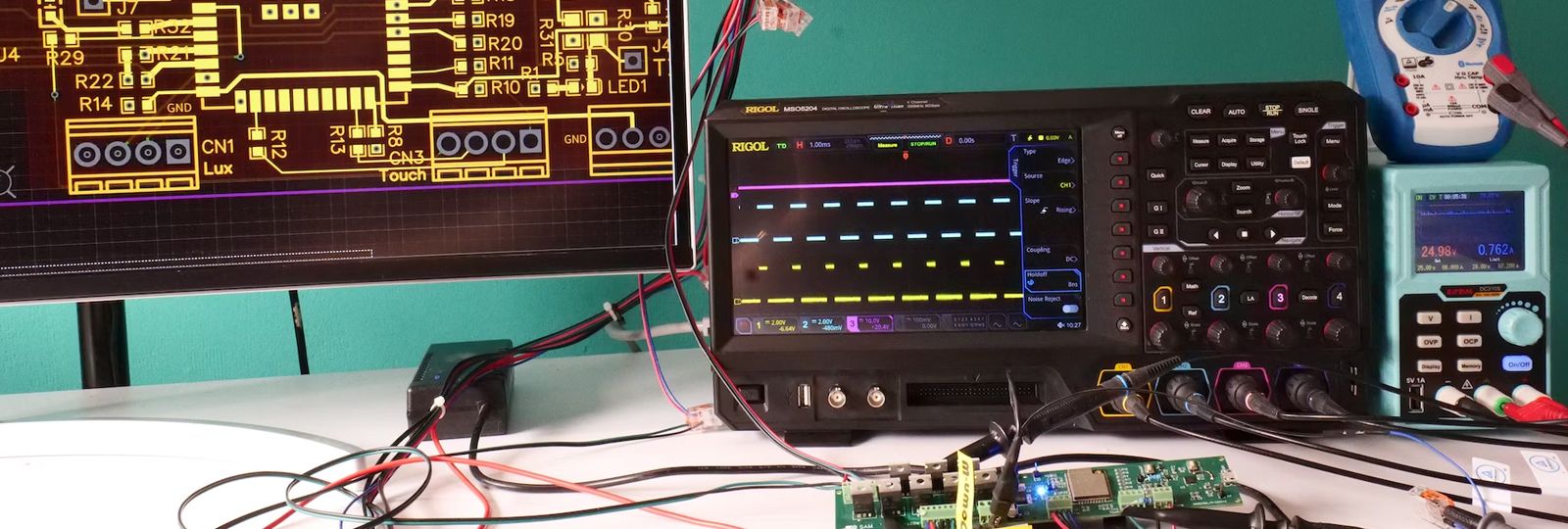
Embedded Hardware Development: How It Drives IoT & Industrial Innovation
 Author
 Date of Publication
 Category
Embedded Hardware Development: A Guide to Innovation
In today's rapidly evolving technological landscape, embedded hardware development plays a crucial role in driving innovation across various industries. From industrial automation to the Internet of Things (IoT) devices, advanced embedded hardware solutions are transforming traditional products into smart, interconnected systems. This blog will explore the significance of embedded hardware development in fostering innovation and revolutionizing industrial and IoT products.
Understanding Embedded Hardware Development
Embedded hardware development involves designing and implementing specialized hardware components that are integrated into larger systems or devices. These components, known as embedded systems, perform specific functions and are often designed to operate in real-time and resource-constrained environments.
Enabling Industrial Automation
Embedded hardware development has revolutionized the industrial sector by enabling automation and streamlining processes. Industrial machinery and equipment equipped with embedded systems can perform complex tasks with high precision and efficiency. Key applications include robotics, assembly line automation, process control, and quality assurance.
Powering IoT Devices
Embedded hardware is at the heart of IoT devices, which are interconnected through the internet and exchange data to enable smart functionalities. From smart home appliances and wearables to industrial sensors and autonomous vehicles, embedded hardware drives the intelligence and connectivity of these devices.
Key Advancements in Embedded Hardware Development
Miniaturization
Embedded systems are becoming smaller and more compact, allowing for integration into smaller devices and enabling the development of wearables and IoT sensors.
Increased Processing Power
Advancements in microprocessors and System-on-Chip (SoC) technologies have significantly boosted the processing capabilities of embedded systems, enabling complex computations and real-time data analysis.
Energy Efficiency
Embedded hardware developers are focusing on designing energy-efficient systems to prolong battery life and reduce power consumption, crucial for IoT devices operating on limited power sources.
Connectivity Options
Embedded systems now offer a wide range of connectivity options, including Wi-Fi, Bluetooth, cellular, and LoRa, allowing seamless integration with the internet and other devices.
Impact on Industrial and IoT Products
Enhanced Functionality
Embedded hardware enables the integration of sensors, actuators, and communication modules, enabling products to collect data, respond to stimuli, and interact with their environment.
Improved Efficiency
Industrial and IoT products with embedded systems can automate processes, optimize resource utilization, and reduce human intervention, leading to improved efficiency and productivity.
Real-time Monitoring and Control
Embedded systems facilitate real-time data collection, analysis, and remote control, enabling businesses to monitor operations, detect anomalies, and respond proactively to ensure smooth operations.
Predictive Maintenance
With embedded sensors and analytics capabilities, industrial equipment can proactively identify potential failures and trigger maintenance actions, minimizing downtime and optimizing maintenance schedules.
Lanware Solutions: Driving Innovation in Embedded Hardware Development
At Lanware Solutions, we specialize in advanced embedded hardware development, providing tailored solutions for industrial and IoT products. With our expertise and deep industry knowledge, we deliver cutting-edge hardware solutions that empower businesses to achieve their innovation goals.
Are you looking to drive innovation in your industrial or IoT products through advanced embedded hardware development? Contact Lanware Solutions today to discuss your requirements and leverage our expertise in delivering customized solutions that will transform your products.
Final Thoughts
In conclusion, advanced embedded hardware development is driving innovation in industrial and IoT products, enabling automation, enhancing functionality, and improving efficiency. With its impact on various industries, embedded hardware development is paving the way for smarter, interconnected devices and systems. Partnering with a trusted provider like Lanware Solutions ensures access to customized embedded hardware solutions that empower businesses to stay ahead in the era of digital transformation.
FAQs
What industries can benefit from advanced embedded hardware development?
Various industries, including manufacturing, healthcare, transportation, agriculture, and smart cities, can benefit from advanced embedded hardware development.
How does embedded hardware development contribute to product innovation?
Embedded hardware development enables the integration of advanced features, connectivity, and intelligence into traditional products, transforming them into innovative, smart, and connected solutions.
What are the key challenges in embedded hardware development?
Some key challenges in embedded hardware development include hardware-software integration, power management, security, and compatibility with diverse operating systems and protocols.
How does embedded hardware development impact product reliability?
Embedded hardware development focuses on designing robust and reliable systems that can withstand challenging environments, ensuring high product reliability and longevity.
Can Lanware Solutions provide customized embedded hardware solutions?
Yes, Lanware Solutions specializes in providing customized embedded hardware solutions tailored to specific industry requirements and product goals.
What sets Lanware Solutions apart in embedded hardware development?
Lanware Solutions stands out with its deep industry expertise, experienced team of engineers, and commitment to delivering high-quality, innovative embedded hardware solutions to clients.
Related product
Merjio IIoT Platform by Lanware
Any sensor. Any industry. One unified data layer — explore SKID solutions, AI-driven analytics, and live monitoring on the Merjio platform.
Explore merjio.com